

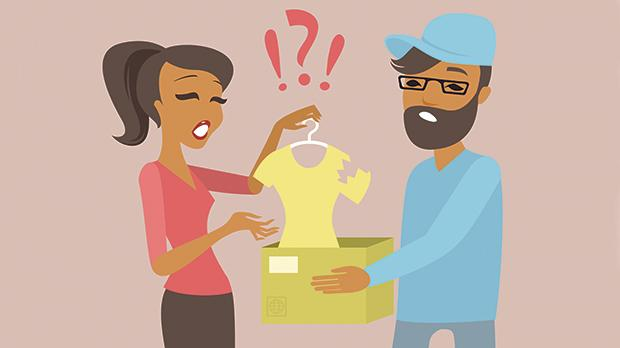
Returning Products in a Digital World
In a business environment where online transactions are commonplace, product returns have become a common reality. 20% of products sold online are returned, making it crucial to address reverse logistics effectively.
What is Reverse Logistics?
Reverse logistics refers to the set of operations aimed at managing the return of goods from the consumer to the origin. This process encompasses the collection of returns, their treatment (including recycling and reuse), and proper waste management.
In a digital and customer-centric business context, reverse logistics goes beyond simple returns management; it encompasses a comprehensive set of activities. Making it more efficient not only leads to a reduction in operational costs but also significantly contributes to improving customer satisfaction and meeting increasingly strict environmental regulations.
The Importance of Efficient Reverse Logistics
Customer Satisfaction: Efficient reverse logistics is not only about handling returns but also about providing a hassle-free experience for the customer. The ease and transparency in the return process directly contribute to customer satisfaction.
Reduction of Operational Costs:
Effective management of returns not only optimizes processes but also helps reduce operational costs. From collection to the treatment of returned products, each phase can be improved to be more efficient and cost-effective.
Environmental Sustainability:
A well-designed reverse logistics system incorporates sustainable practices, such as repair and recycling. Compliance with environmental regulations and embracing sustainability is not only ethical but can also be a positive differentiator in the market.
How Efficient Reverse Logistics Can Achieve This:
Strategic Collection: Choosing efficient collection methods, such as specific return points, can reduce costs and improve the customer experience.