

Last updated: April 24, 2026
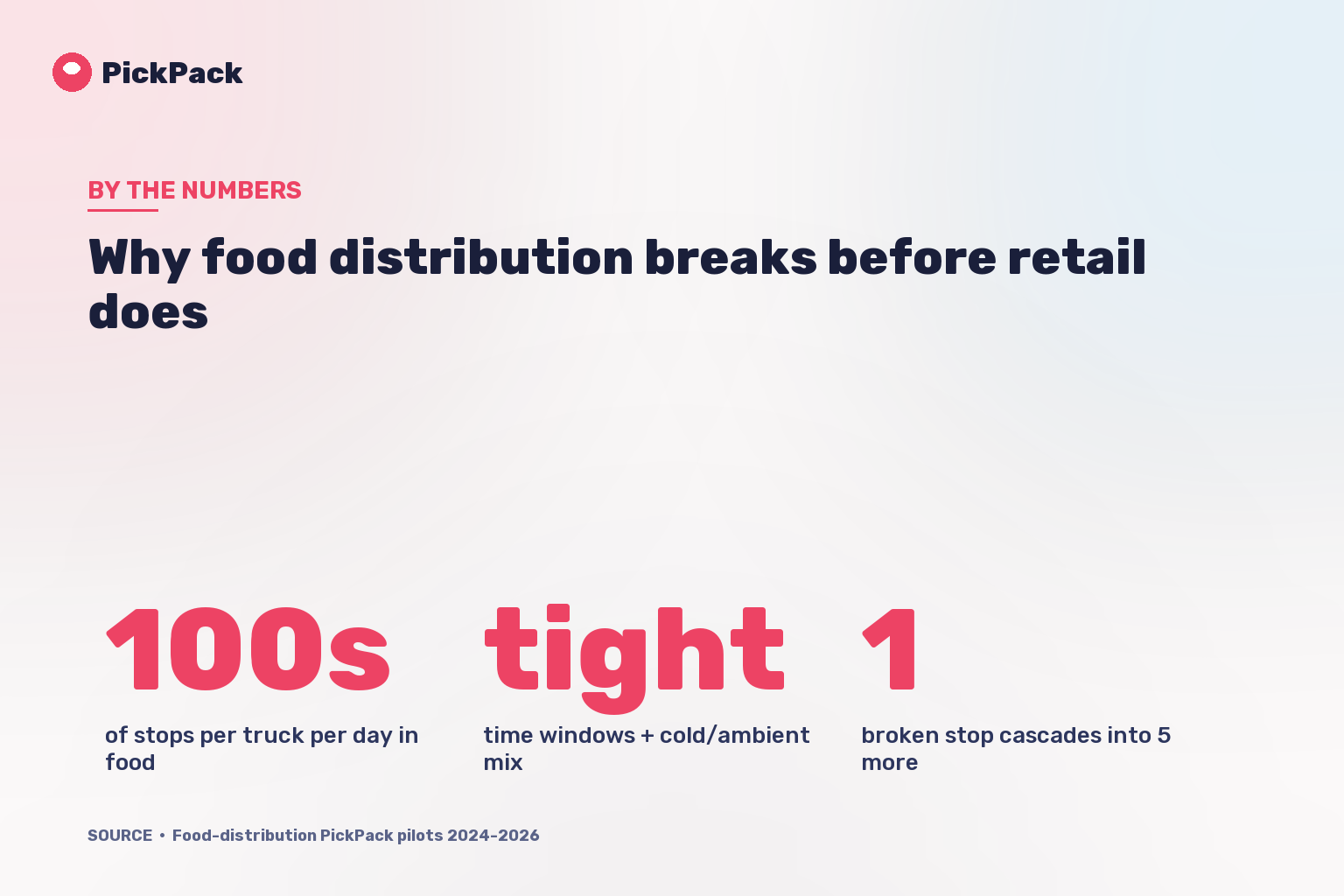
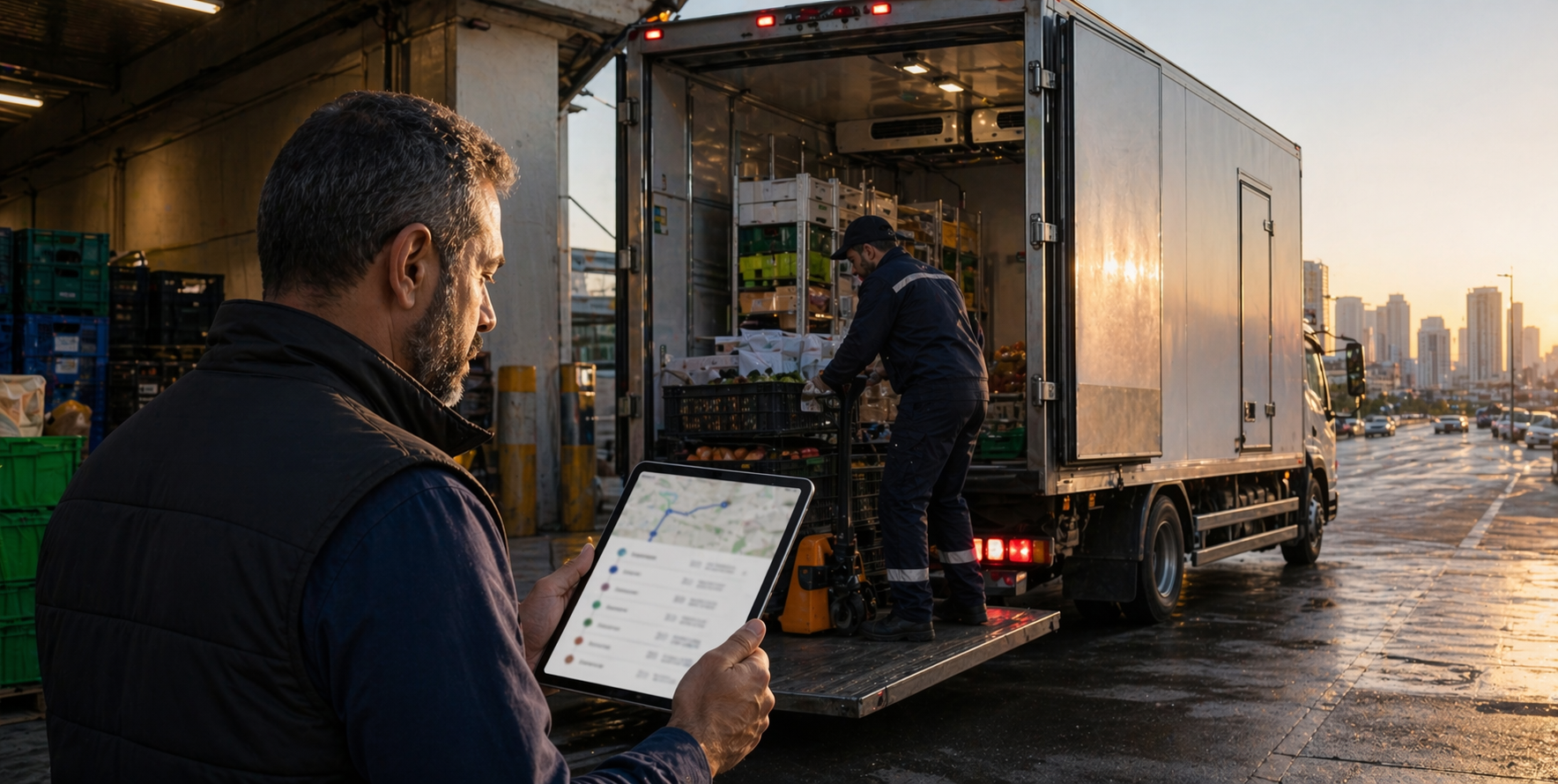
Food distribution sounds like just another multi-stop route until the real constraints show up: narrow receiving windows, unloading time, cold-chain sensitivity, product hierarchy, and exception handling that can damage an entire day if it is slow.
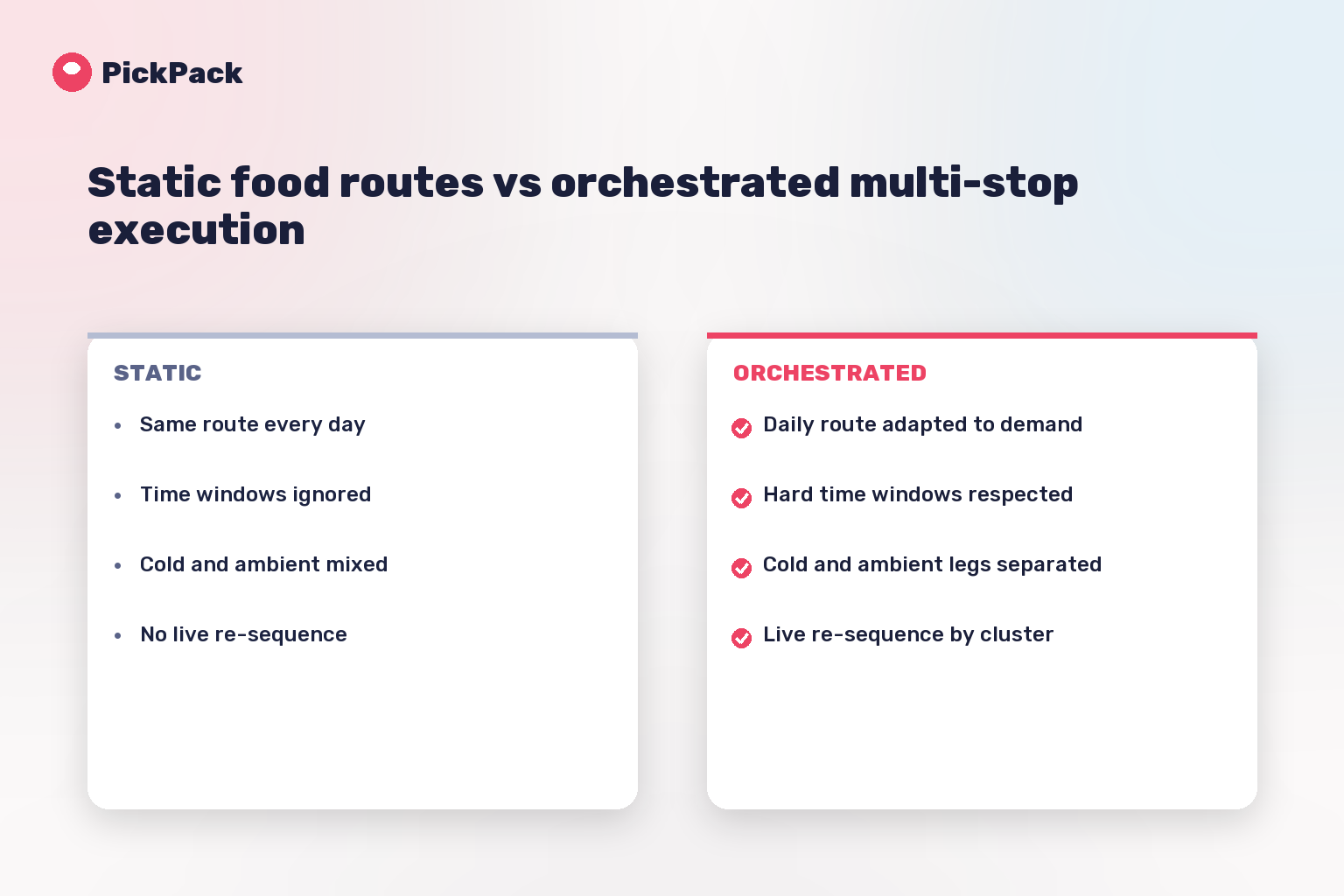
That is why food distribution route planning cannot end with “the shortest route.” The harder task is keeping the day stable when unloading runs long, a store is not ready, or a temperature-sensitive stop needs faster attention.
What makes food distribution different
- Tighter receiving windows for retail and foodservice stops.
- Mixed product sensitivity on the same vehicle.
- Higher operational value in proof, condition, and exception records.
- A late early stop can cascade across the entire route.
Why visibility matters more in food operations
project44’s food and beverage materials emphasize the value of real-time visibility and faster decisions around delays and shipment condition. Their 2025 connectivity article makes the broader point clearly: decision quality depends on data completeness, not partial visibility.
That is exactly the issue in food distribution. A team does not only need a route sequence. It needs enough operational truth to know when to resequence, escalate, or protect a sensitive stop.
What strong planning must include
- Real receiving windows including unload behavior and customer priority.
- Product logic for what should move first and what can tolerate delay.
- Driver workload balance based on service time, not distance alone.
- A live exception layer for late stops, receiving refusal, or condition issues.
- Disciplined POD because B2B food drops cannot close on ambiguity.
Priority’s wholesale and distribution ERP positioning is a useful reminder that ERP can support planning and logistics structure. But the execution layer still has to manage the day itself.
Proof from the field
According to PickPack’s approved internal customer benchmarks, Gourmet Group achieved 20% lower delivery costs, 35% better arrival accuracy, and 45% fewer temperature complaints. That is what happens when planning, visibility, and execution control sit together.
What should happen when the route breaks at noon
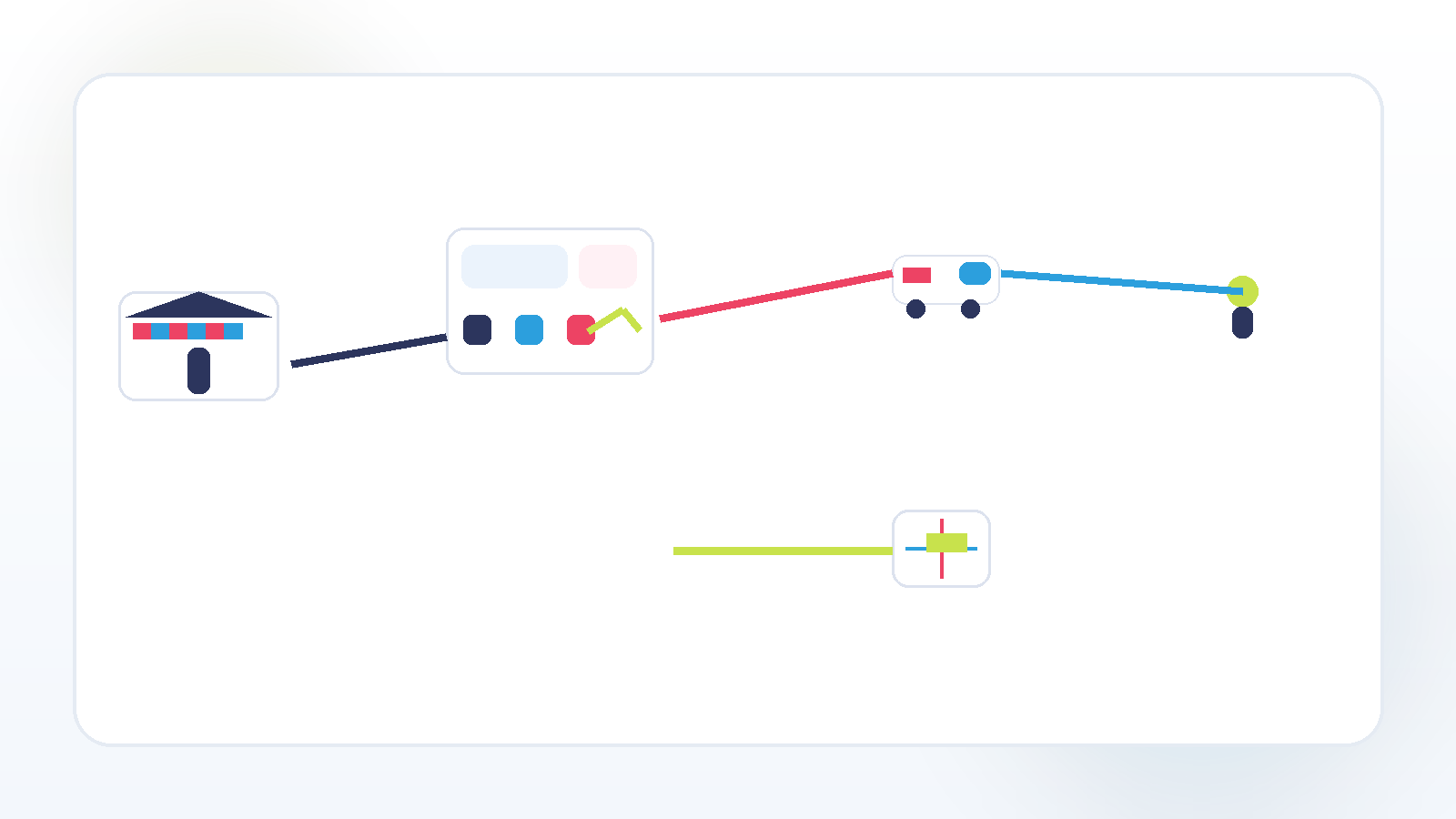
Food operations need a midday correction rule, not only a morning plan. When a receiving point runs late or a store refuses part of the load, dispatch should immediately know which stop can move, which stop must stay protected, and what proof the driver must capture before leaving.
- Re-sequence with product logic: not every pallet or stop can absorb delay equally.
- Escalate with evidence: photo, note, temperature, or refusal reason should be attached to the exception.
- Update the next customer: because a protected cold-chain stop still needs clear expectation management.
- Return cleanly when needed: failed unloads should become structured exceptions, not verbal memory.
Related reading
FAQ
Because delays affect receiving, product condition, and every downstream stop on the route.
No. Food teams also need visibility, exception control, and reliable execution records.
Arrival accuracy, service time, receiving failures, and condition-related exceptions.