

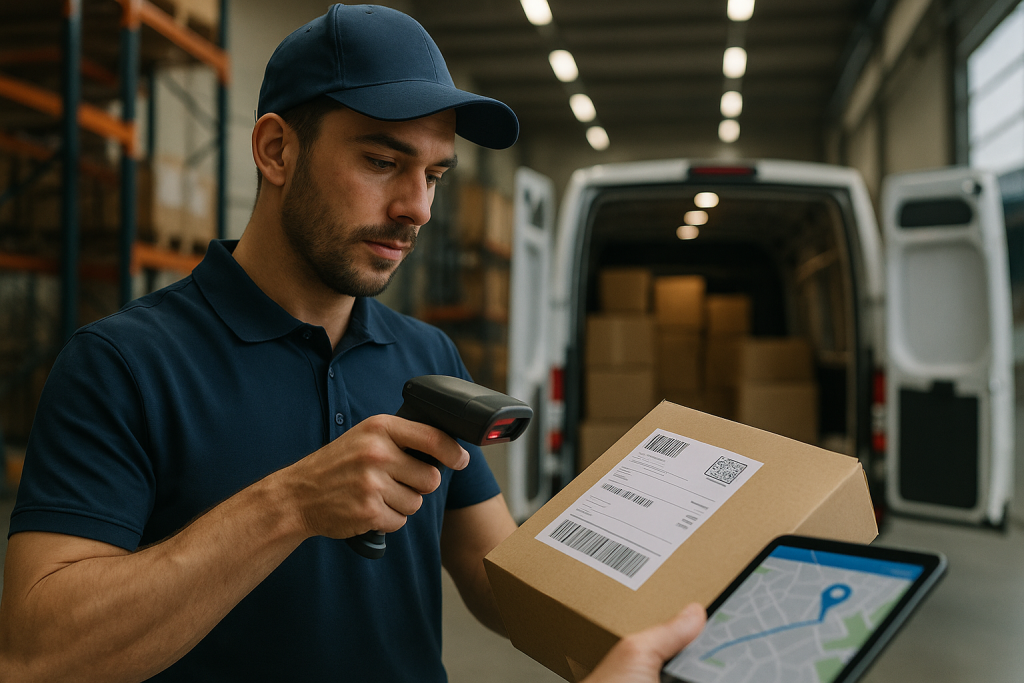
TL;DR:
Retailers invest heavily in marketing, technology, and promotions to win each sale, but many still lose customers at the last step: delivery. This article explains three last mile delivery problems that quietly damage customer loyalty: poor route optimization, weak communication, and disconnected support. It also shows how PickPack helps retailers in fashion, grocery, and electronics turn fulfillment into a lasting advantage. (all PickPack comparisons)
Why Winning the Sale Means Nothing If Delivery Fails
Every retailer knows how expensive it is to win a customer. Campaigns, discounts, and loyalty programs all compete for a single conversion that can cost more than forty dollars.
Now imagine what happens next. A customer buys a jacket online from a fashion brand, receives a confirmation email, and waits. The package is delayed, the tracking link never updates, and the courier arrives when nobody is home. One bad delivery can erase weeks of marketing work.
A 2024 study by Deloitte reports that last mile delivery accounts for more than thirty percent of total logistics costs and remains a major cause of customer complaints. Deloitte’s analysis of the last mile delivery landscape confirms the scale of the problem.
The sale does not end at checkout. It truly begins the moment the order leaves the warehouse.
Blind Spot 1. Poor Route Optimization That Wastes Time and Trust
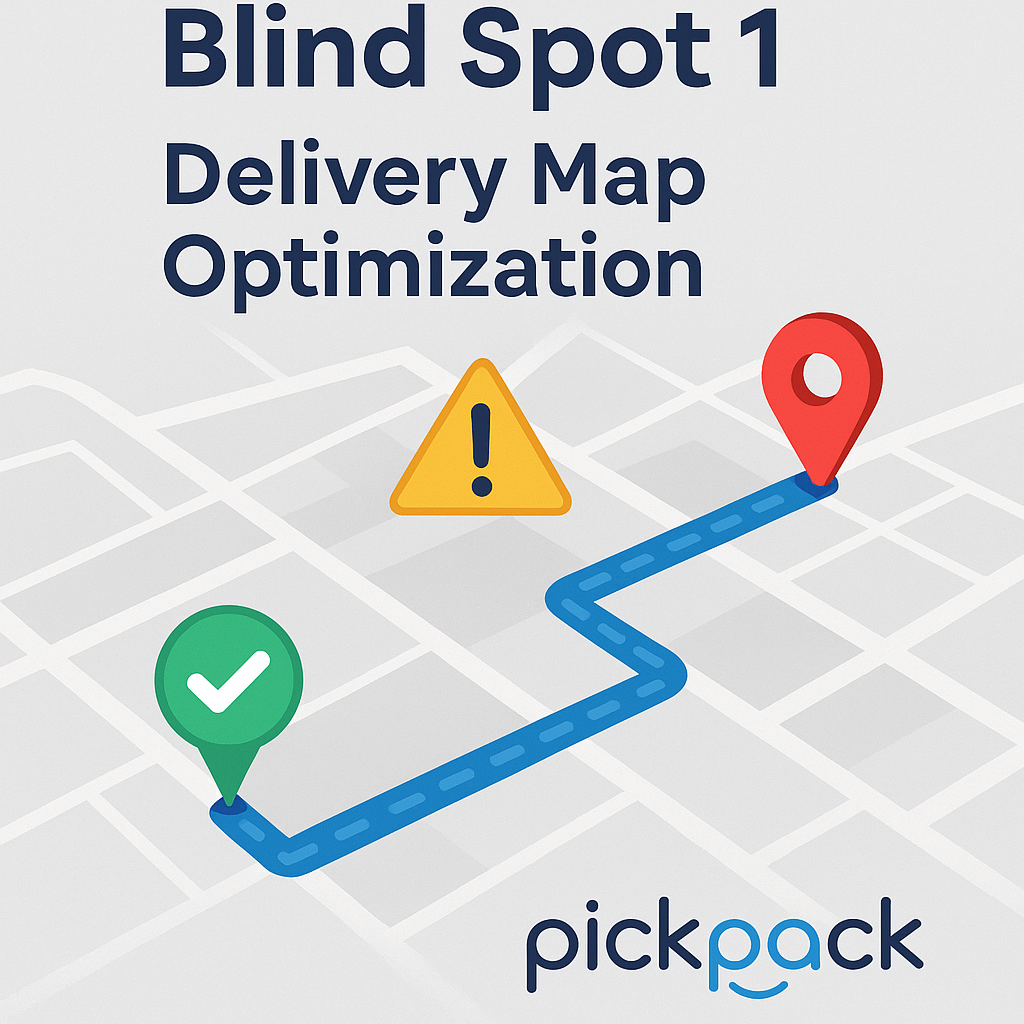
Example. From Fashion Deliveries to Frustrated Customers
A regional clothing brand dispatches orders each morning using static route plans. Traffic builds earlier than predicted, one driver exceeds capacity, and two addresses were entered incorrectly. By noon, half of the schedule collapses and customers start calling.
Why It Happens. Old Routing Habits Still Rule Many Retail Operations
Most retailers still rely on static routing tools. They optimize once in the morning and hope the plan holds. These systems rarely adjust to live traffic, driver schedules, or delivery windows. Drivers do their best, but the plan itself is fragile.
Business Impact. When Inefficiency Becomes a Brand Problem
Every failed route means more fuel use, overtime pay, and frustrated customers. According to McKinsey’s study on digitizing mid and last mile logistics, inefficient routing can raise last mile costs by more than thirty percent. The financial impact is clear, but the hidden impact is loss of trust.
How PickPack Solves It. Real Time Route Recalculation That Keeps Promises
PickPack’s delivery routing software recalculates routes in real time using live GPS data, vehicle capacity, and service level goals. Dispatchers track vehicles on a single map while the system predicts congestion and adjusts sequences automatically.
Retailers using PickPack report shorter routes, fewer missed windows, and measurable savings on fuel and labor.
Routes rarely fail because of drivers. They fail because of outdated planning.
Blind Spot 2. Weak Delivery Communication That Breaks the Customer Experience
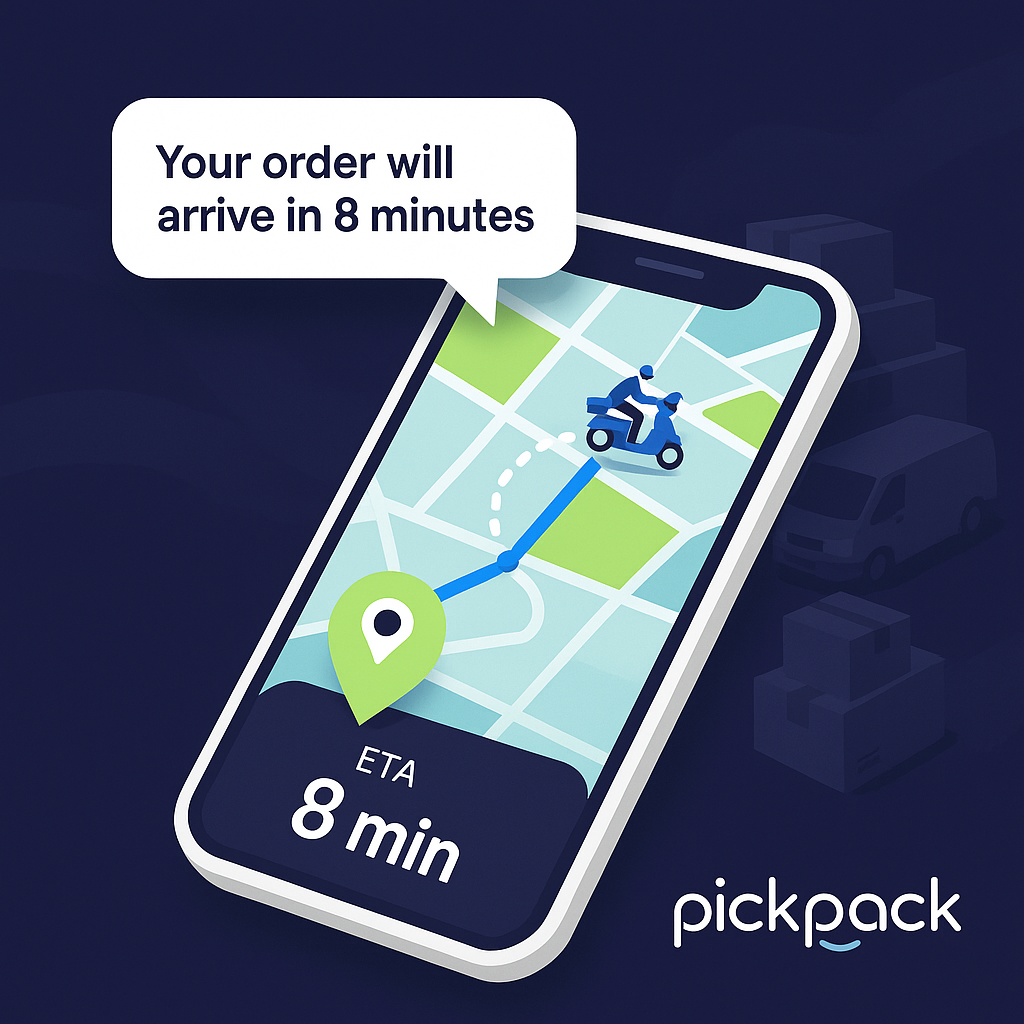
The Grocery Order That Never Arrived on Time
A grocery chain promises evening delivery. The customer gets a generic “Your order is on the way” message but no ETA and no link. They step out to pick up their children. While they are out, the courier arrives and leaves a missed delivery note on the door.
Why It Happens. Disconnected Systems Create Confusion
Many retailers separate logistics and communication systems. Order data and driver status rarely sync with customer notifications. Messages become inconsistent or outdated because they rely on manual updates instead of live status.
Business Impact. The Hidden Cost of Missed Deliveries
The World Economic Forum’s Future of the Last Mile Ecosystem report shows that failed first attempt deliveries can raise total costs by around twenty percent. Each missed delivery creates refund requests, lower satisfaction scores, and unnecessary support calls.
How PickPack Solves It. Automated Notifications Customers Actually Read
PickPack integrates live logistics data with its customer communication module. Customers receive automatic updates through SMS, WhatsApp, or email, including clear ETAs, driver names, and branded tracking links. If the route changes, messages update instantly.
Grocery retailers using PickPack have cut missed deliveries and reduced support tickets by roughly a quarter. Communication becomes transparent and proactive.
Blind Spot 3. Disconnected Support That Destroys Customer Confidence
How a Delayed TV Delivery Became a Reputation Issue
A customer orders a new television from an electronics retailer. When it does not arrive, they call support. The agent checks several systems, sends emails to the courier, and promises to call back later. Hours pass before an answer appears, and the customer leaves a negative review.
Why It Happens. CRMs Without Live Data Leave Agents Blind
Support teams often work in CRM platforms that are not connected to real time logistics data. Once the parcel leaves the warehouse, they lose visibility and depend on second hand updates.
Business Impact. When “We Will Call You Back” Becomes a Pattern
The INFORMS Operations Research Journal notes that lack of delivery visibility increases average resolution time by around sixty percent and directly affects customer reviews. Slow responses lead to refunds, lost time, and damaged trust.
How PickPack Solves It. Unified Data for Instant Answers
PickPack’s last mile delivery platform unifies logistics and support information in one dashboard. Agents can see live driver status, ETAs, and route updates without switching systems. If something changes, they can reroute or reschedule directly from the same screen.
A simple line such as “Your courier is two blocks away and should arrive in five minutes” changes the entire tone of the conversation.
Real Results. How PickPack Helped a Retailer Deliver on Every Promise
| KPI | Before | After | Change |
|---|---|---|---|
| On time deliveries | 78 % | 96 % | +23 % |
| Failed first attempts | 12 % | 4 % | −67 % |
| Customer satisfaction (CSAT) | 7.1 | 9.0 | +27 % |
| Support tickets per 1 000 orders | 45 | 18 | −60 % |
The Future of Last Mile Delivery Is About Loyalty, Not Speed
By 2025, delivery success depends more on predictability and communication than on raw speed. Customers forgive short delays when they know what is happening. They do not forgive silence or confusion.
McKinsey’s study on digitizing mid and last mile logistics highlights how real time visibility reduces waste and improves retention. PickPack connects data, automation, and communication to make every delivery reliable.
See PickPack in Action
Book a free demo and discover how PickPack simplifies every delivery from route planning to customer communication.
Frequently Asked Questions
What is last-mile delivery and why does it affect customer loyalty?
Last-mile delivery is the final step of getting an order from the local hub or warehouse to the customer’s door. It directly affects loyalty because it is the only physical interaction many online shoppers have with the brand. Studies show last-mile costs account for over 30% of total logistics spend, and a single failed delivery is enough to make a customer abandon a brand they otherwise liked.
How does poor route optimization actually hurt the brand?
Static morning route plans collapse the moment traffic shifts or an address is wrong. Drivers run late, time windows are missed, and customers lose trust. McKinsey estimates inefficient routing alone can raise last-mile costs by more than 30%. The bigger long-term cost is the customer who quietly stops ordering.
What is the difference between basic SMS notifications and good delivery communication?
A basic ‘your order is on the way’ message tells the customer nothing actionable. Good delivery communication is live: it shows a real ETA, the driver’s name, a branded tracking link, and updates automatically when the route changes. That difference cuts missed first attempts and support tickets by roughly a quarter.
Why does customer support struggle to answer delivery questions?
Most CRM tools were built for sales and ticketing, not for live operations. When a parcel leaves the warehouse, support agents lose visibility and have to chase the courier by phone. By the time they get an answer, the customer has already left a negative review. A unified dashboard that shows live driver status changes the entire conversation.
How quickly does PickPack improve last-mile KPIs after deployment?
Retailers typically see improvements within the first 60 days: on-time delivery rises from around 78% to 95%+, failed first-attempts drop by half or more, and support tickets per 1,000 orders fall by 50–60%. The gain is concentrated in routes that previously had the most variability. see your projected savings in our calculator.
Is PickPack suitable for retailers with their own fleet AND those using 3PLs?
Yes. PickPack works for fully in-house fleets, hybrid models, and operations that mix owned drivers with third-party couriers. The platform unifies all of them under one dashboard so dispatch, customer notifications, and support get one consistent picture. AI-driven delivery management platform.